

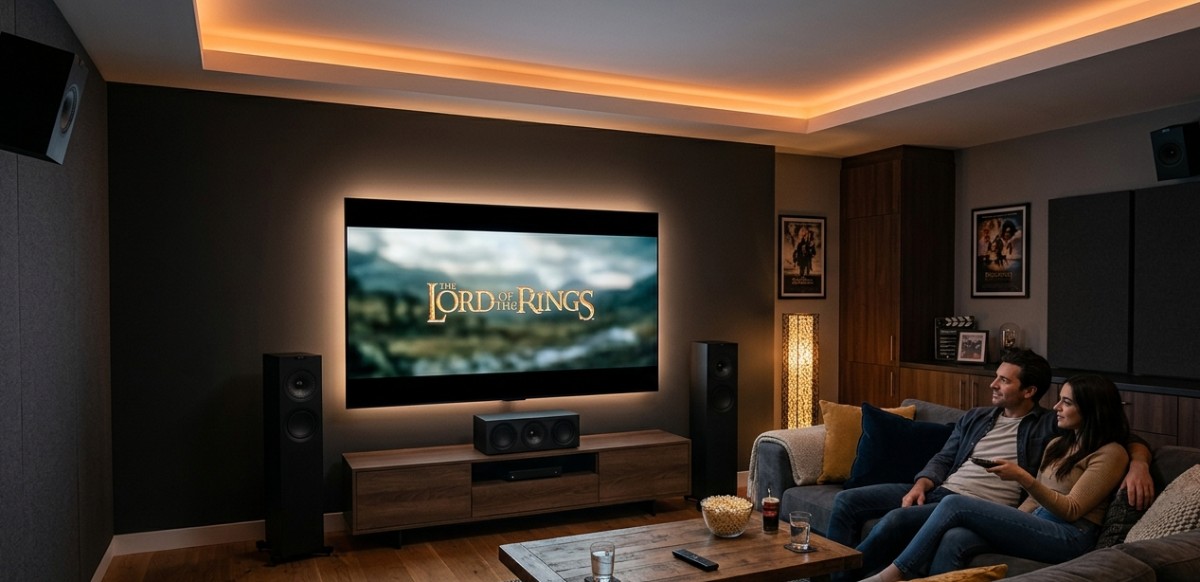
There’s a reason so many Aussie homeowners are ditching the once-a-month cinema trip in favour of their own living room. A well-built home theatre system brings genuine cinema-quality sound and picture into your home, without the sticky floors or overpriced popcorn. But here’s the catch simply buying an expensive TV and a soundbar doesn’t automatically give you that immersive experience. There’s a bit more to it than that.
Whether you’re starting from scratch or upgrading an existing setup, this guide breaks down exactly what you need to get it right. And if you’re on the Sunshine Coast, a professional Home Theatre Setup Sunshine Coast service can take care of the tricky bits, so you don’t end up with mismatched sound or a screen that reflects the afternoon sun.
Why a Proper Home Theatre System Matters
A genuine home theatre system isn’t just about size or price it’s about how well each component works together. Picture quality, sound placement, room acoustics, and even seating all play a role in whether your setup actually feels immersive or just looks impressive sitting in the corner.
Get it right, and you’ve got a space the whole family will actually want to use. Get it wrong, and you’ve spent good money on equipment that never quite delivers.
1. The Right Screen for Your Room
Your screen is the centrepiece, so it’s worth getting this decision right. For most living rooms, a large OLED or QLED TV does the job beautifully, offering excellent contrast and colour accuracy. For dedicated theatre rooms with proper light control, a projector and screen combination can deliver an even bigger, more cinematic feel.
Key things to consider:
- Screen size relative to seating distance — too small and you lose immersion, too big and it becomes uncomfortable to watch
- Ambient light in the room — bright rooms suit TVs better; darker, light-controlled rooms suit projectors
- Viewing angle — everyone in the room should have a clear, comfortable sightline
2. A Proper Surround Sound System
This is where most DIY setups fall short. A single soundbar might handle dialogue reasonably well, but it can’t replicate the depth and directionality of a true surround sound system. Formats like Dolby Atmos expand on traditional surround sound by adding height channels and free-moving sound objects that aren’t limited to fixed horizontal or vertical positions, which is exactly what creates that “sound is coming from everywhere” cinema feeling.
For anyone wanting to understand the technology behind it, the Wikipedia entry on Dolby Atmos offers a solid technical overview of how spatial audio has evolved.
A well-balanced system typically includes:
- Front left, right, and centre speakers for dialogue and main audio
- Surround speakers for ambient and background sound
- A subwoofer for deep bass
- Height or ceiling speakers if you’re going for a full Atmos experience
3. A Quality AV Receiver
Think of the AV receiver as the control centre of your entire system. It manages every input your TV, streaming devices, gaming console, and speakers and processes the audio so everything plays in sync. A good receiver also handles audio calibration, adjusting sound levels based on your room’s specific shape and layout. If you’re curious how AV receivers act as the true hub of a home theatre system, it’s worth understanding the basics before choosing one for your setup.
Skimping here often leads to underwhelming sound, even if you’ve spent big on speakers.
4. Acoustic Treatment for the Room
This is the step most people skip entirely, and it’s often the difference between a good setup and a genuinely great one. Hard walls, tiled floors, and open-plan spaces all cause sound to bounce around unpredictably, muddying the clarity of your audio.
Simple acoustic improvements include:
- Rugs or carpet to absorb sound reflections off the floor
- Curtains or soft furnishings to reduce echo
- Acoustic panels for dedicated theatre rooms
- Thoughtful furniture placement to break up flat, reflective surfaces
5. Comfortable, Well-Positioned Seating
It sounds obvious, but seating placement genuinely affects how well your system performs. Sitting too close to the screen strains your eyes, while sitting too far reduces the immersive effect you paid for. As a rough guide, most experts recommend seating positioned so the screen fills roughly 30-40 degrees of your field of view.
Comfort matters too you’re far more likely to actually use the space if it’s genuinely relaxing to sit in for a two-hour movie.
6. Smart Integration and Easy Controls
Nobody wants to juggle five different remotes just to watch a movie. Modern home theatre systems increasingly integrate with smart home platforms, allowing you to control lighting, sound, and streaming from a single app or universal remote. This isn’t just about convenience it genuinely improves how often people actually use their home theatre, rather than avoiding the hassle of setting it up each time.
7. Professional Installation and Calibration
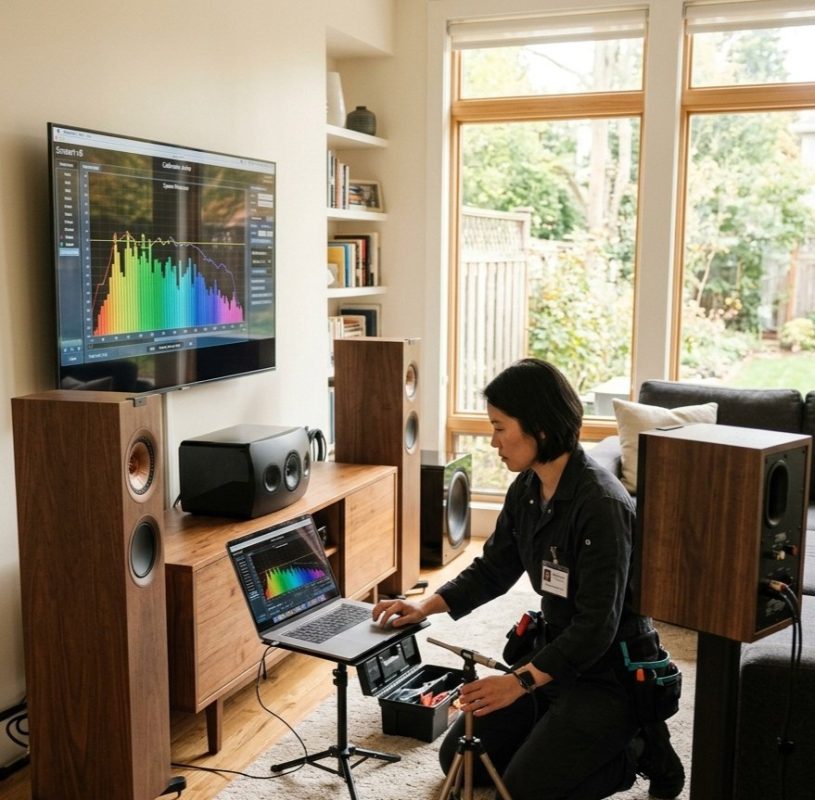
Even with all the right equipment, poor installation can undo everything. Cable placement, speaker positioning, and sound calibration all require a level of precision that’s genuinely difficult to get right through trial and error. This is exactly why a professional Home Theatre Setup Sunshine Coast service exists to make sure every component is positioned and calibrated correctly from day one, rather than relying on guesswork.
If you’re also mounting a new TV as part of the project, it’s worth getting that done properly too. Check out our TV mounting Sunshine Coast service for a clean, secure installation that complements your overall setup.
Common Mistakes Worth Avoiding
Before you get started, it’s worth knowing where most home theatre projects go wrong. We’ve covered this in more detail in our blog on common mistakes to avoid when setting up a home theatre, but the short version is this: poor speaker placement, ignoring room acoustics, and underestimating cable management are the three biggest culprits behind disappointing setups.
How Brocky’s TV Antennas Can Help
At Brocky’s TV Antennas, we’ve helped countless Sunshine Coast households build home theatre systems that actually deliver on their promise. Our technicians assess your specific room, recommend equipment that suits your space and budget, and handle the full installation and calibration process from start to finish.
You can also find us on Google, where local homeowners have shared their experiences with our team take a look at our Google Business Profile for real reviews from Sunshine Coast customers.
Final Thoughts
Building the perfect home theatre system isn’t about spending the most money it’s about making sure every piece, from screen to seating, works together properly. Get the fundamentals right, and you’ll have a space your family genuinely enjoys using for years to come.
Ready to bring your home theatre vision to life? Contact our team today to book a consultation and start planning your perfect setup.
FAQs
1. Do I need a projector or is a TV good enough?
For most living rooms, a large 4K TV is more than enough. Projectors suit dedicated, light-controlled rooms where a bigger screen size is the priority.
2. How many speakers do I actually need?
A basic 5.1 setup (five speakers plus a subwoofer) covers most homes well. For a full Dolby Atmos experience, height channels can be added on top of this.
3. Can I install a home theatre system myself?
Simple setups are doable, but proper calibration, cable management, and acoustic treatment are best left to professionals for lasting results.
4. How much does a home theatre setup cost in Australia?
Costs vary widely based on room size, equipment quality, and installation complexity. A personalised quote is the best way to get an accurate figure for your space.
5. Should I choose a soundbar or a full surround sound system?
A soundbar is a good budget-friendly option for casual viewing, but a full surround sound system delivers noticeably better depth and immersion especially for movies and gaming. If budget allows, go with proper surround sound.