

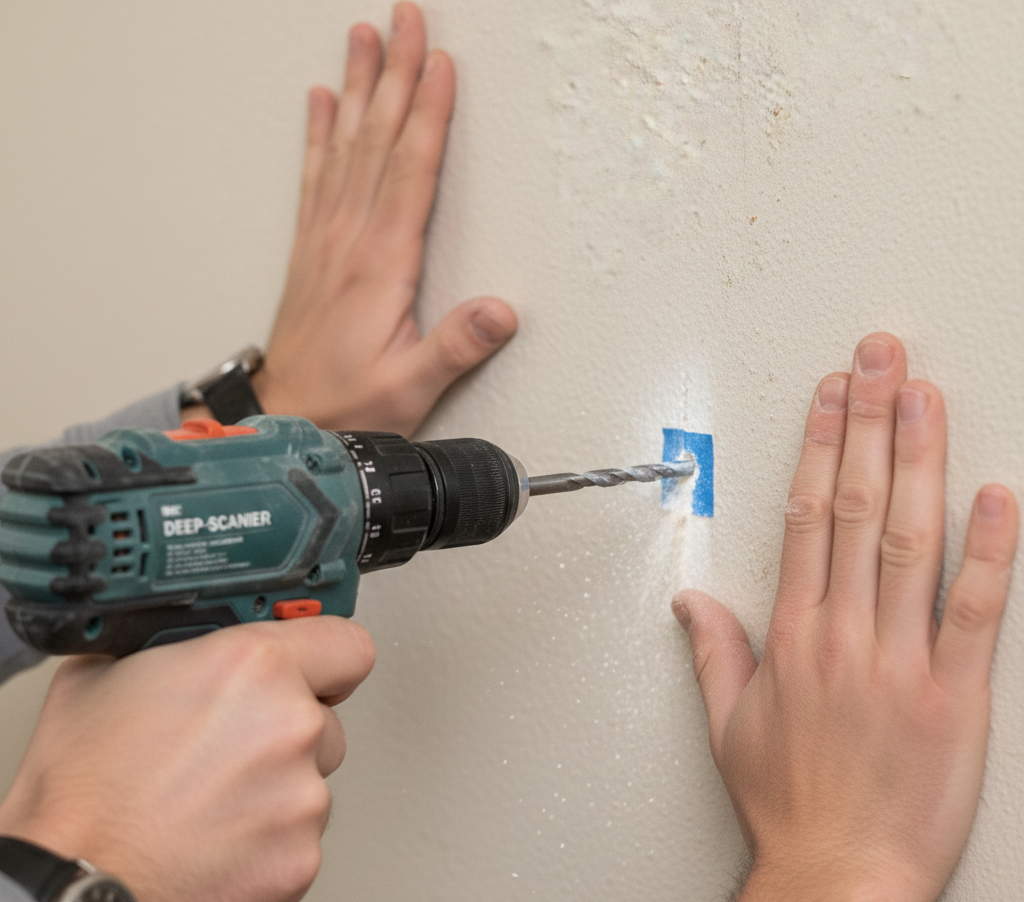
Mounting a television on a plaster wall requires extra preparation compared to standard wall types, as plaster responds differently to weight, movement, and drilling pressure. This guide walks homeowners through the key considerations involved in mounting a TV on a plaster wall, such as assessing wall strength, locating secure fixing points, selecting suitable mounting brackets, and supporting the load correctly. It also covers important safety details like weight limitations, drilling techniques, and reinforcement options. By following these steps, you can reduce the risk of wall cracks, loose fittings, or bracket failure while achieving a safe and stable TV installation.
Why Plaster Walls Need Special Attention
Plaster walls look great, but they aren’t as forgiving as modern plasterboard or brick surfaces. Older homes especially have thicker plaster layers, wooden lath backing, or weakened sections from age. Because plaster is prone to cracking under stress, mounting a TV incorrectly can damage the wall or cause the bracket to loosen over time.
Before drilling anything, you need to understand your wall structure, support points, and the correct mounting hardware. Proper preparation prevents unnecessary repairs later.
1. Identify What’s Behind the Plaster
Plaster can be attached to different backing materials. Your mounting method depends on what’s underneath.
Common backing materials:
- Timber studs
- Metal studs
- Lath and plaster (common in older homes)
- Solid masonry
- Hollow cavities
Each material requires different fasteners and drilling techniques. Using the wrong screws or anchors risks the TV pulling away from the wall.
If you’re unsure of your wall type or bracket choice, installation guides such as LG TV wall mount instructions and Samsung support pages for mounting safety can help.
2. Locate the Studs (Best Method for Strength)
When mounting a TV on a plaster wall, the safest method is anchoring directly into timber studs. Studs support the weight of the TV and reduce strain on fragile plaster.
How to find studs:
- Use a stud finder
- Tap the wall to detect solid areas
- Look for power outlets (usually attached to studs)
- Measure 450mm–600mm spacing patterns
If your TV bracket screws into studs, it remains secure even with heavier screens.
For full installation support on any wall type, expert TV installation services like TV Mounting Sunshine Coast offer safe, professional mounting options.
3. Choose the Right Bracket for Plaster Walls
Not all brackets suit fragile walls. Heavy or extendable brackets put more pressure on the mounting points.
Best brackets for plaster walls:
- Fixed low-profile brackets
- Tilt brackets
- Lightweight full-motion brackets (only with stud support)
Avoid overly heavy articulated arms unless properly reinforced.
4. Use the Correct Anchors if No Studs Are Available
If there are no studs where you want to mount the TV, you’ll need strong plaster-specific anchors.
Recommended hardware:
- Toggle bolts
- Snap toggles
- Spring toggles
- Hollow-wall anchors
These anchors expand behind the plaster, creating a wide grip area. This spreads weight evenly and prevents cracking.
However, for TVs above 55 inches, stud mounting is strongly recommended.
5. Measure TV Weight and Check Bracket Rating
Before drilling, check the TV weight and compare it with the mount’s rated capacity.
Check:
- TV weight (listed on the manufacturer’s website)
- Bracket weight limit
- Screw size compatibility (VESA pattern)
Plaster walls cannot safely support weight beyond what anchors or studs allow. A mismatch increases the risk of wall cracks or bracket movement.
6. Drill Carefully to Prevent Plaster Cracks
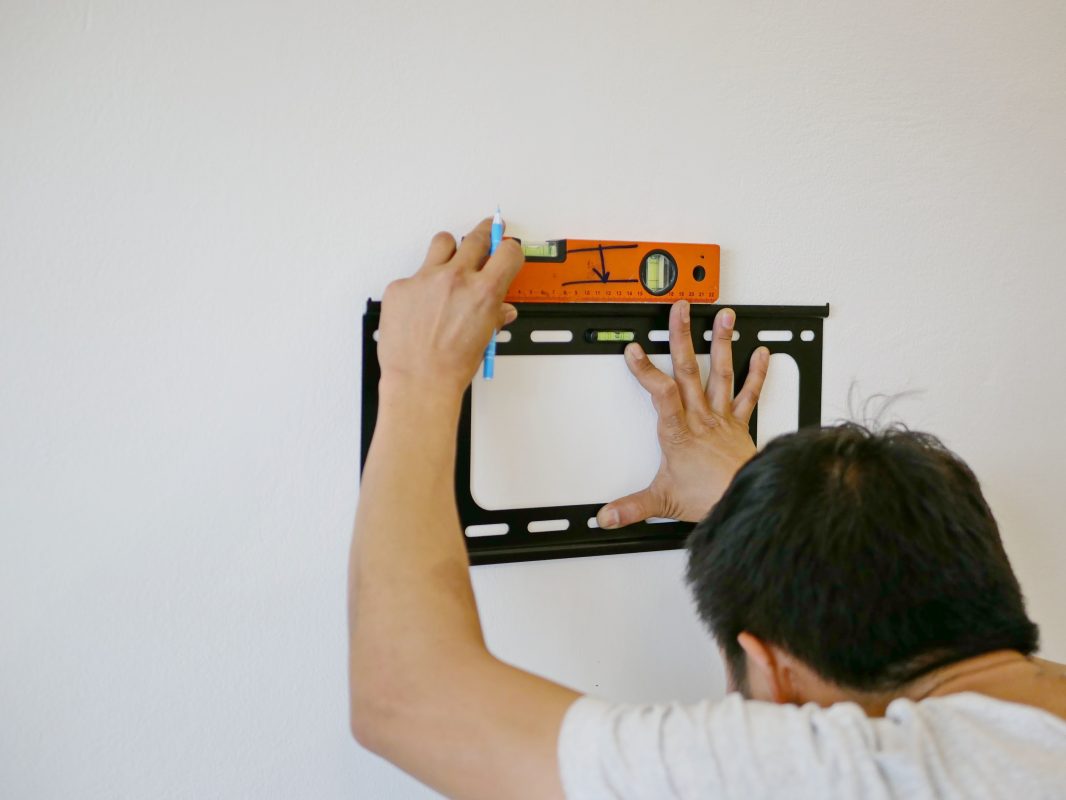
Drilling into plaster requires a gentle approach. Fast drilling or heavy pressure can cause surface cracking.
Tips for safer drilling:
- Use a low-speed drill
- Start with a pilot hole
- Avoid hammer drill settings
- Support the plaster with tape before drilling
Take your time with each hole to avoid creating unnecessary damage.
7. Hide Cables Safely Without Damaging the Wall
Cable management is one of the biggest concerns during TV installation. Running cables through plaster walls can be tricky, especially in older homes.
Options to hide cables:
- Surface-mounted cable channels
- Raceway systems
- External trunking
- Behind-wall cavities (only if safe)
If your TV setup affects WiFi speed or causes interference, refer to this detailed guide on how to fix WiFi issues at home
8. Check Power Outlet Placement Before Mounting
The TV must sit close enough to a power outlet so cables don’t stretch or hang awkwardly.
Before mounting:
- Decide on the TV height
- Ensure cables reach the outlet
- Avoid tight bends or tension on cords
- Use surge protectors to protect electronics
If you’re adding soundbars or gaming devices, plan routing ahead of time.
9. Understand the Risks of Incorrect Installation
Poorly mounted TVs can cause:
- Sudden wall cracks
- Drooping brackets
- Bent screws
- TV falling off the wall
- Internal damage to plaster
- Safety hazards for children and pets
Plaster walls are sensitive, so even minor mistakes lead to major repair costs.
10. When to Call a Professional Installer
If your wall is old, uneven, cracked, or difficult to inspect, professional installation is your safest option.
Signs you should call an installer:
- You can’t find studs
- Wall sounds hollow
- The plaster is brittle
- The TV is 55 inches or larger
- You want to hide cables inside the wall
Qualified installers use proper tools, reinforced brackets, and stud-locating methods that maximise safety.
External resources such as CNET TV mounting guides and Energy.gov home wall-mounting safety tips offer additional DIY insights.
Final Thoughts & Professional Help
Mounting a TV on a plaster wall requires careful preparation, the right tools, and proper support points. Plaster is more fragile than other wall materials, so choosing strong hardware, checking wall structure, and drilling gently are essential steps for a safe installation. If your wall is old, unstable, or you’re mounting a large TV, professional help ensures the bracket stays secure and the wall stays protected.
For safe, expert installation, repairs, or advice, contact Brockys TV .
You can also explore all services on the homepage of Brockys TV
Frequently Asked Questions
1. Can you mount a TV directly onto plaster?
Yes, but only with proper anchors or by securing the bracket to studs.
2. Will drilling into plaster cause cracks?
Incorrect drilling can cause cracks, so drilling slowly with pilot holes is recommended.
3. What is the safest mounting method?
Mounting into timber studs provides maximum stability.
4. Can heavy TVs be mounted on plaster?
Yes, but using sturdy studs or strong toggles is essential for safety.
5. Should I hire a professional installer?
If you’re unsure about wall strength or anchor choice, professional installation is safer.